
Study Summary
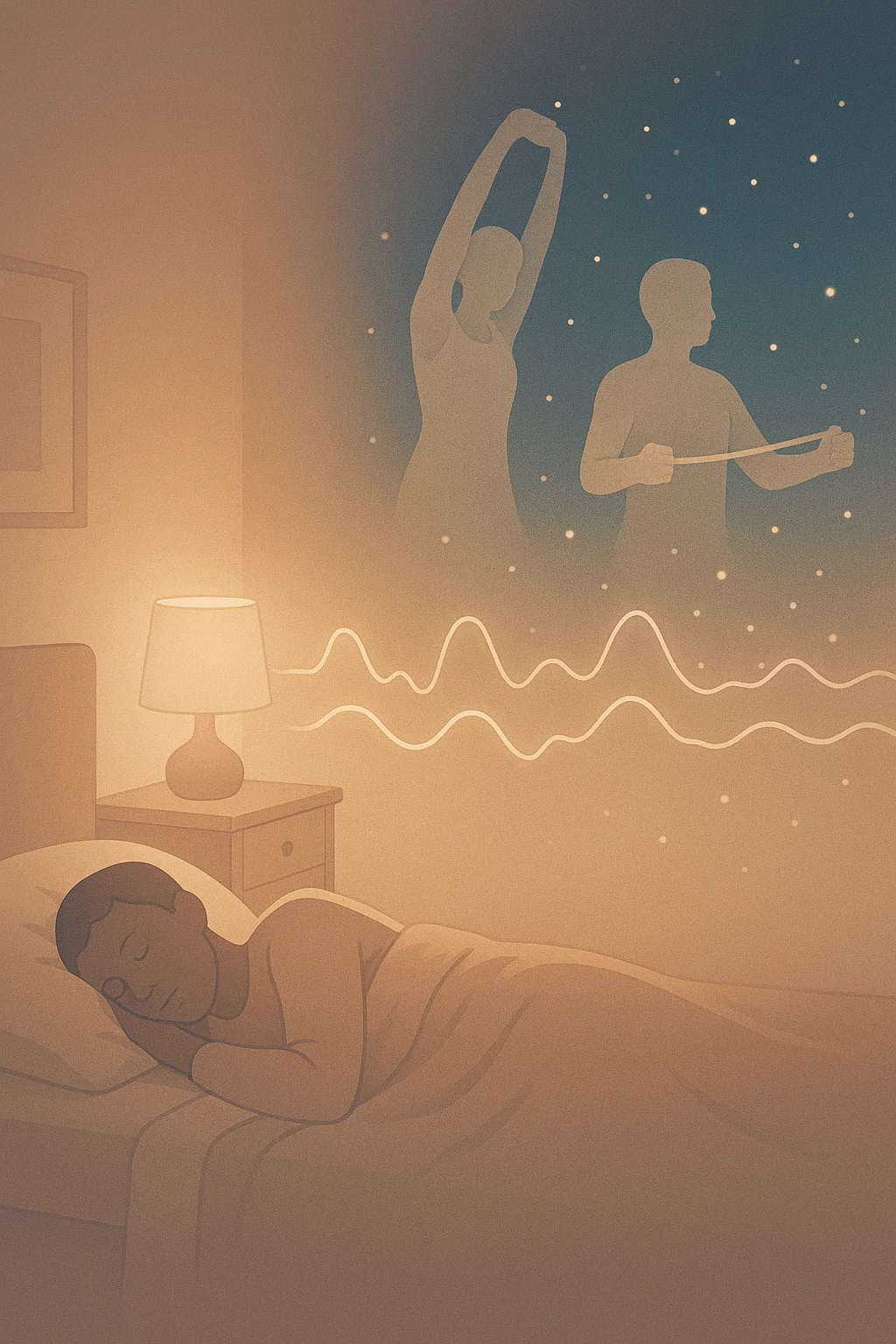
Chronic insomnia can have a serious impact on daily life and wellbeing. A recent study examined how two types of physical activity, resistance exercise and stretching, influence sleep, mood, and quality of life in people with this condition.
What They Did
This intervention study, led by D’Aurea and colleagues and published in the Brazilian Journal of Psychiatry in 2018, involved chronic insomnia patients. They were assigned to one of three treatments over four months: resistance exercise (10 participants), stretching (10 participants), or a control group (8 participants). Sleep was measured using polysomnography, actigraphy, and questionnaires. Mood and quality of life were also evaluated using validated tools.
What They Found
Resistance exercise and stretching produced similar improvements in both objective and subjective sleep outcomes. Compared with the control group, both interventions led to significantly reduced insomnia severity, shorter time to fall asleep, less wakefulness after sleep onset, and better sleep efficiency. Measures of sleep quality and duration also improved significantly with these treatments, though no difference was found between the exercise and stretching groups. Polysomnography and quality of life scores did not show significant changes. Notably, tension and anxiety levels were lower for the stretching group compared to controls.
Why It Matters
This study highlights that moderate resistance exercise and stretching can be helpful, accessible ways to improve sleep for people struggling with chronic insomnia. These activities may reduce the time it takes to fall asleep and improve the overall quality of sleep without requiring medication. While changes in mood and overall quality of life were less clear, the decrease in tension with stretching points to additional mental health benefits. Interestingly, the timing of the exercises was between 5 pm and 6 pm, which is not too late to risk overheating before bedtime.
My Clinical Insight
Addressing chronic insomnia often calls for a combination of approaches, and this research supports the inclusion of physical activity as part of treatment. Both resistance exercise and stretching are feasible for many patients and can complement other sleep hygiene or behavioural strategies. Encouraging patients to engage in gentle stretching or resistance training may promote more restful sleep and help reduce anxiety, enhancing their overall wellbeing.
Until sleep feels natural again, Dr Noaman